

How to Repair Bifold Door Top Roller Guide
If your bifold doors are squeaking to the wall, they might require some maintenance. They might need to be cleaned and lubricated or adjusted. The issue could be caused by a loose bolt on the top pivot or by the top guide roller.
This kit contains all the hardware required to bring your bi-fold closet door to its optimal performance.
Remove the Door
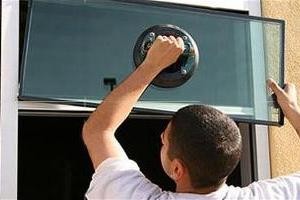
It may seem complicated and difficult to set up a set of bifold internal doors, but for those who are DIYers with some experience, it is actually quite simple. The frame's placement isn't the problem; the tricky part is getting the doors to fold and close smoothly and precisely. Bifold doors are intricate pieces of machinery, and as such they could require some tuning up to ensure that they function properly. It could be as simple as tightening up a screw, or as complex as removing and replacing the door's pivot pin or roller.
It is usually possible to fix these issues with a few simple adjustments, without the need to take off the doors. You may find that your bifold doors are sagging or scraping the floor, or bouncing off the track. The solution to these issues isn't difficult. With three easy steps the bifold doors will be back on track in no time.
The most common problem that internal bifolding doors face is that they are sliding out of alignment. This could be due to loose screws, holes in the anchor/pivots or an unaligned bifold door. In most cases, you can correct this issue with a few simple adjustments, but if your door isn't moving, it may need to be removed and replaced.
To take the door off, you'll need a screwdriver and possibly a pair of pliers (to help loosen any tight pivot pins). The screwdriver is used to break any locking levers that are on the bottom bracket of the pivot and the pliers will let you wiggle the pin to release it and then take it off.
Once the top roller has become loose it should be possible to lift the door and then swivel it downward, allowing you to take it off its pivot brackets and track. It's usually a straightforward process, but you must be careful to not let the door strike the frame of the door. Then, you can sand down the edges of the door to smooth it. You can then repaint or replace it with a new finish as needed.
Remove the Roller Guide
This spring-loaded roller guides mounts on the top of bifolding doors to aid in smooth operation. It is made specifically for Kenna frames, and will fit door panels that range from 1 inch to 1-3/8 inches thick. It is constructed of steel, nylon and plastic components and can replace a damaged or worn-out guide.
To begin removing the guide roller, take out any screws that are holding it in place by using an screwdriver as well as a bit to loosen it. Use your hands to carefully lift it off the frame. This might take some effort, so you should have a friend help you to keep the door in place as you remove it.
Once the guide you used to guide your child is removed, carefully cut the remaining finish over the foot of the new guide using a sharp blade to separate it from the rod blank. This will make the guide's foot easier to remove, and will prevent any damage. The foot is very sharp and could cut or snag fingers.
It is possible to use some force to remove the guide, but be careful not to break or chip the foot. After removing the old guide, remove any threads or epoxy left in the area it was fixed. This will help avoid any future issues with the guide.
After removing bi fold door repair , try out the new guide by placing it in its place and applying a few rotations of masking tape or some kind of guide tubing to hold it in the correct position. This will let you double examine the guide's spacing and alignment to make sure everything is set up properly. This is vital to avoid future problems, whether you use the CRB Spine Finder & Deflection System or just eyeball it.
The last step is to replace the door. If the guide is in the correct position and functioning just as it should, you can proceed. Be aware that any screws or pins that you removed or loosened must be replaced and tightened correctly when you're done.
Take the Bottom Pivot off.
Bifold doors can be a stunning addition to a home, but they sometimes need to be tweaked or adjusted to keep them in good shape. While some of the less critical issues can be resolved with the doors in place, other issues require removal. This guide will show you how to remove the bifold internal door pins, rollers, and pivots.
The first step is to gather your tools. You'll avoid frustration if you collect all your tools in advance. You'll need a screwdriver, pliers, and possibly a wrench. A set of basic tools can be bought at a reasonable cost at your local hardware store. It's important to keep some wood glue handy. This can be very useful when you need to glue any of the rollers back into place.
Once you've gathered the tools, begin by opening the bifold doors and then loosening the top track bracket using your screwdriver. Once the bracket is in place, you should be able to lift the door off the top track. It might take a bit of jiggling but it should come right off the track.
The bottom pivot of the frame will need to be removed. Close all interior doors before you begin. This will be a lot easier than working from the inside. If the track on the bottom is still in good working order, you'll be able to simply lift the door and remove the track.
If the track is damaged, you'll need to replace it. Hardware stores offer replacement tracks for bifold doors as well as swinging closet doors. If the track is severely damaged, you may have to replace it completely.
Now that your track is repaired or replaced You'll need to test the doors for the proper operation. Verify that the doors move into and out of their positions easily. You'll need to ensure that the edges of your door are parallel to the frame when closed. If they aren't, you'll need to adjust the top pivot bracket by tightening or loosening the bottom setscrew.
Replace the Roller
Bifold doors can be used to neatly cover closets, laundry nooks and pantries, but only if they function correctly. The bifold doors consist of two panels that are hinged and slide down a track at the top of the frame. Over time, the roller guides can wear out and cause the doors to slide. Replacing the roller guide takes just a few minutes and a few basic tools.
The first step is to remove the guide roller from the door panel. This involves taking off the pivot bolt at the bottom and loosening the screw that holds the guide to its top. Once the guide is removed and the door panel is lifted up and away from its track. Then, using a wrench, remove the top pivot bolt from the hole in the frame's header by loosening the nut.
A top nylon replacement guide with a 7/8 " diameter wheel and a steel base is available from Stanley, Cox or Acme. It mounts on the top of the bifold door, which is 1 to 1-3/8 inches in thickness and is spring-loaded to adjust in the upper track for smooth sliding.
Another issue that is common to bifold doors is that it scrapes against the floor when it is closed or opened. This is often the result of adding carpet, or other flooring materials that require the doors be slightly raised to allow for clearance. Removal of the bottom pivot adjustment screw and loosening the top track's mounting screws, and moving the anchor/pivot pin is typically enough to eliminate this issue.
A new set of top roller guides is a cheap solution to a problem that could make your bifold doors difficult to operate. They are typically found at your local hardware store in the door section. However they can be ordered on the internet from a variety of suppliers. In addition to a brand-new top guide for rollers, you'll need a small container of Elmer's wood glue that is sold in large box stores, as well as a squeeze clamp. The clamp is used to keep the repair area sealed after the glue has been placed in and dried.